Kuwaiti Sider Honey: Honey From a Tree That Stands Up to the Kuwaiti Sun
November 1, 2026 · The3Beez
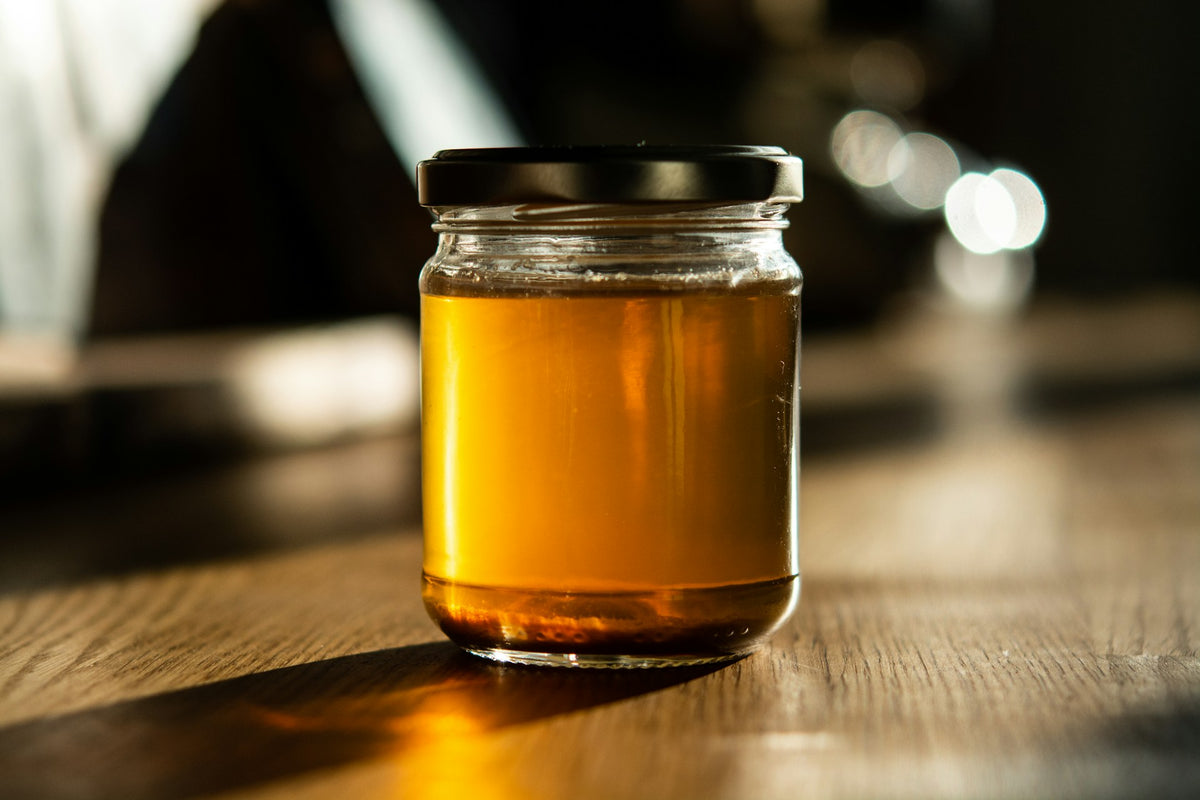
When people hear "Kuwaiti honey", many ask whether bees can even survive a Kuwaiti summer. They can, but not easily. Kuwaiti Sider honey comes from a tree that stands up to the scorching Kuwaiti sun, and from beekeepers who give the bees what they need to live.
The tree that holds out
Sider is one of the few trees that tolerate Kuwait's heat and drought. When it flowers, bees find a valuable source of nectar in a landscape with few flowers. For Sider botany, and what it means for honey to be "monofloral", read our article Sider honey: the botany.
How we work in our apiaries
- We plant Sider trees and give the bees shade and water all year.
- We work with beekeepers and farmers to protect honey bees in Kuwait.
- We never heat or pasteurise the honey, and filter it only lightly.
- We test every harvest in a laboratory before it reaches you.
How to recognise it
A rich dark brown colour, a thick texture, a deep Sider flavour and a strong aroma. It may crystallise over time because it is raw and unheated. That is natural: stand the jar in warm water and it turns liquid again. The3Beez Sider honey won second place for the best Sider honey in the world at the London Honey Awards.
Al Dana or Premium?
- Kuwaiti Sider honey (Premium): from our own apiaries, dark brown, thick and deep in flavour. Also available in an easy squeeze bottle.
- Kuwaiti Sider honey (Al Dana): a grade that is among the finest Kuwaiti Sider honey we produce, 100% natural, unheated and unpasteurised.
Both are Kuwaiti Sider honey, one ingredient, with no additives, sugar or preservatives.
Worood: Kuwait's spring
Not all Kuwaiti honey is Sider. Worood honey is gathered from the nectar of Kuwait's spring flowers, such as arfaj, nuwair, safsaf and athel. It is creamy off-white, smooth, balanced in sweetness with a gentle floral taste, and naturally contains bee pollen.
Other ways to enjoy it
- With additions: Sider honey with saffron, Sider honey with royal jelly and Sider honey with cinnamon and turmeric.
- In single packs: Kuwaiti Premium Sider honey spoons, 25 ready portions for work, travel and guests.
- The Gulf way: a spoon first thing in the morning, or with coffee and dates.