The3Beez Blog

How Bees Use Propolis to Protect Their Hive
From cracks to the entrance to a mouse entombed inside the hive: how honey bees use tree resin to protect their home.
Read the article →
What Is Propolis (Bee Glue)? A Simple Guide to the Hive's Resin
Propolis is neither honey nor wax: it is a resin the bee gathers from trees and mixes with wax. What it is made of, its colours, and how it reaches people.
Read the article →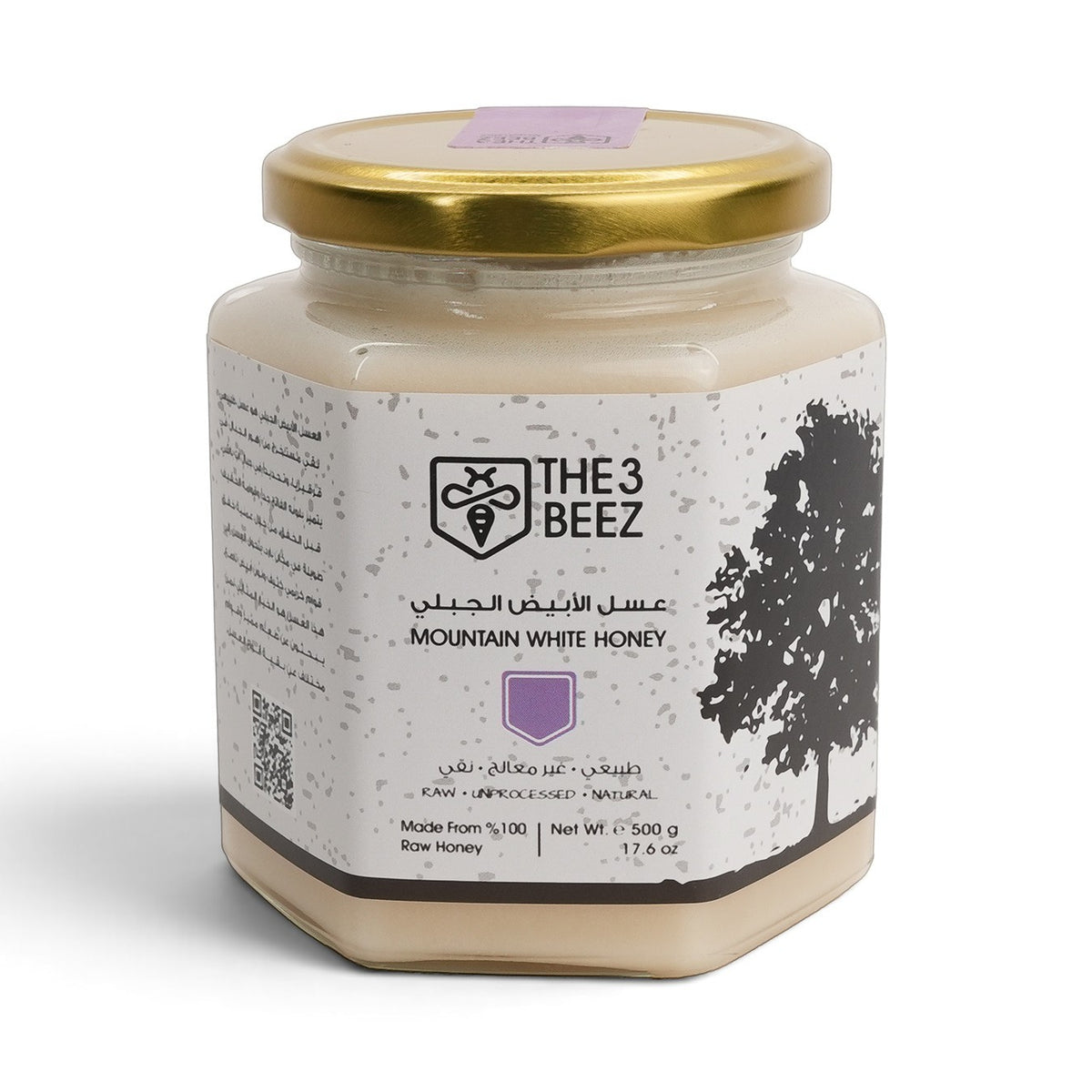
White Mountain Honey: Why Is It White, and Where Does It Come From?
A honey the colour of cream with a taste like roses. The secret of its colour, where it comes from, and how to use it.
Read the article →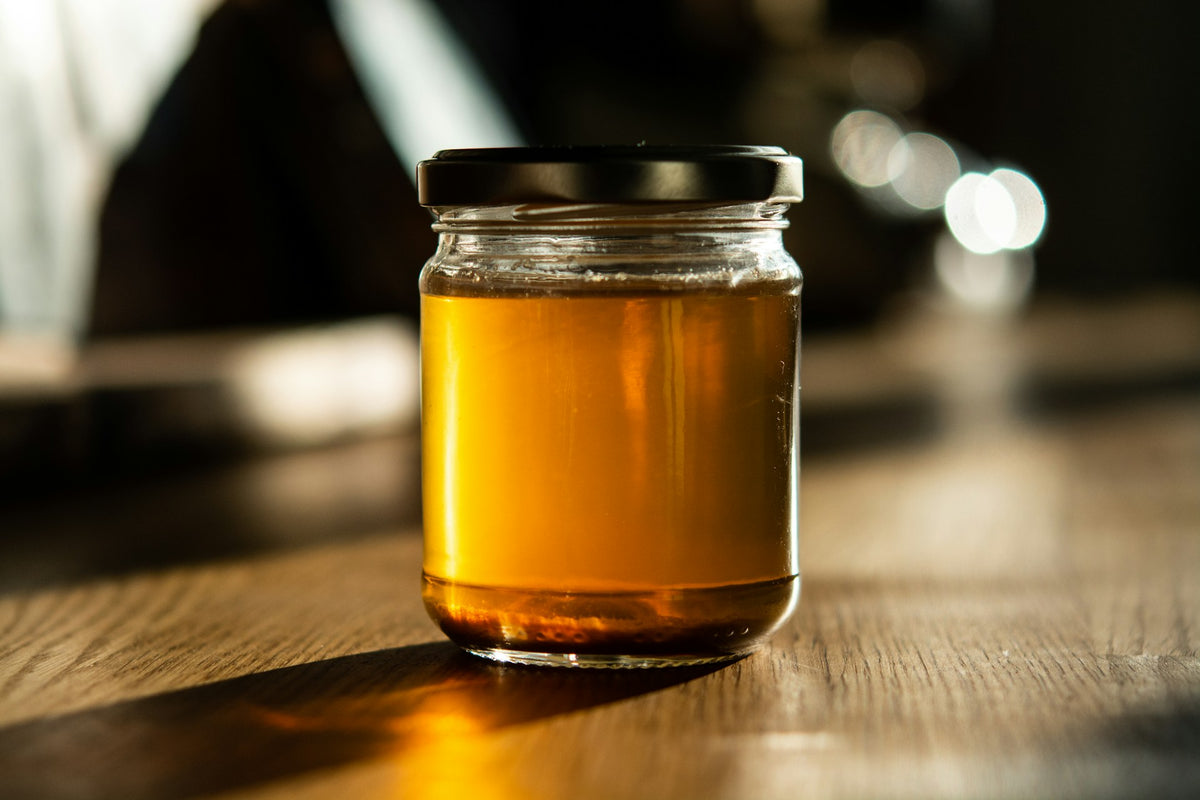
Kuwaiti Sider Honey: Honey From a Tree That Stands Up to the Kuwaiti Sun
Bees in Kuwait face one of the harshest summers anywhere. This is how we produce Kuwaiti Sider honey in our apiaries, and the kinds we offer.
Read the article →
Doani Sider Honey: A Valley in Hadramout and a Name Often Borrowed
"Doani" is the name of a place, not a grade. What it means, and why its source is worth asking about before you buy.
Read the article →
How to Tell Natural Honey: What the Lab Shows and Home Tricks Cannot
A glass of water, a lighter and the fridge cannot catch fake honey. Here is what does, and what to ask before you buy.
Read the article →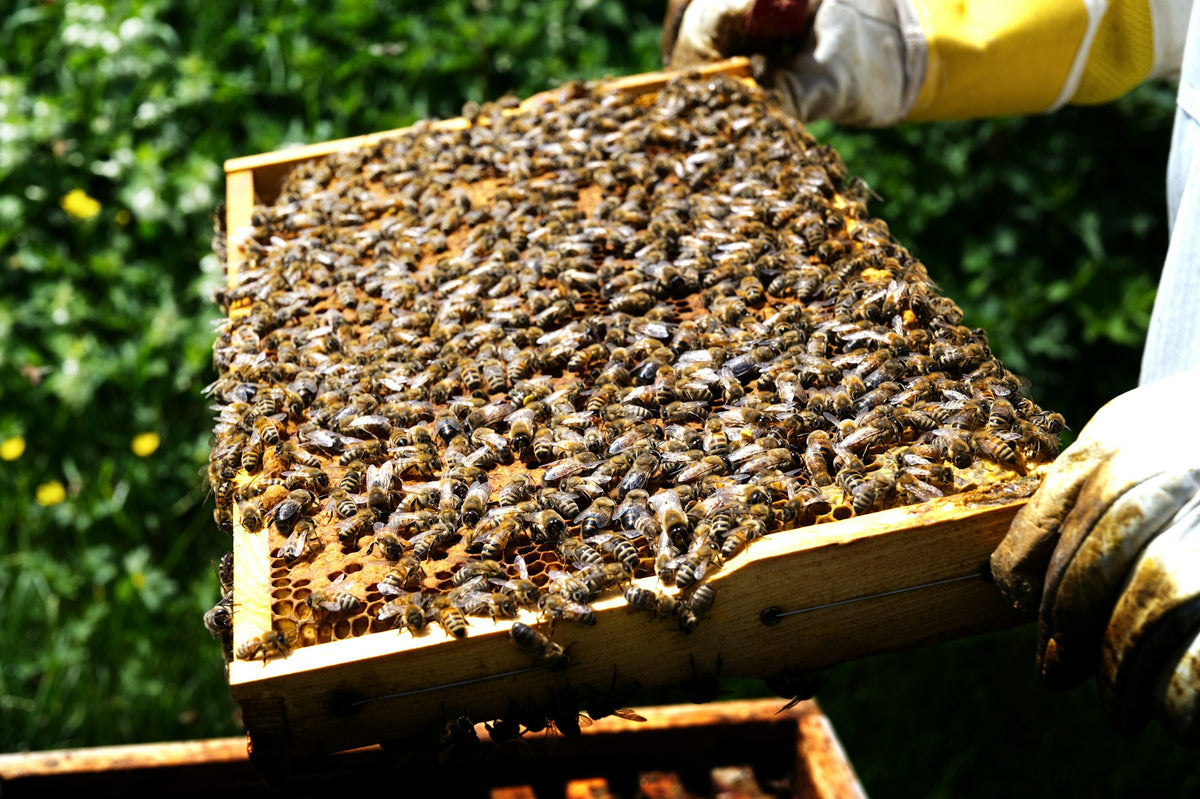
Royal Jelly: What It Is, Who Makes It and Why We Blend It With Honey
The only food a queen bee eats all her life. What we know about it precisely, and what we do not claim.
Read the article →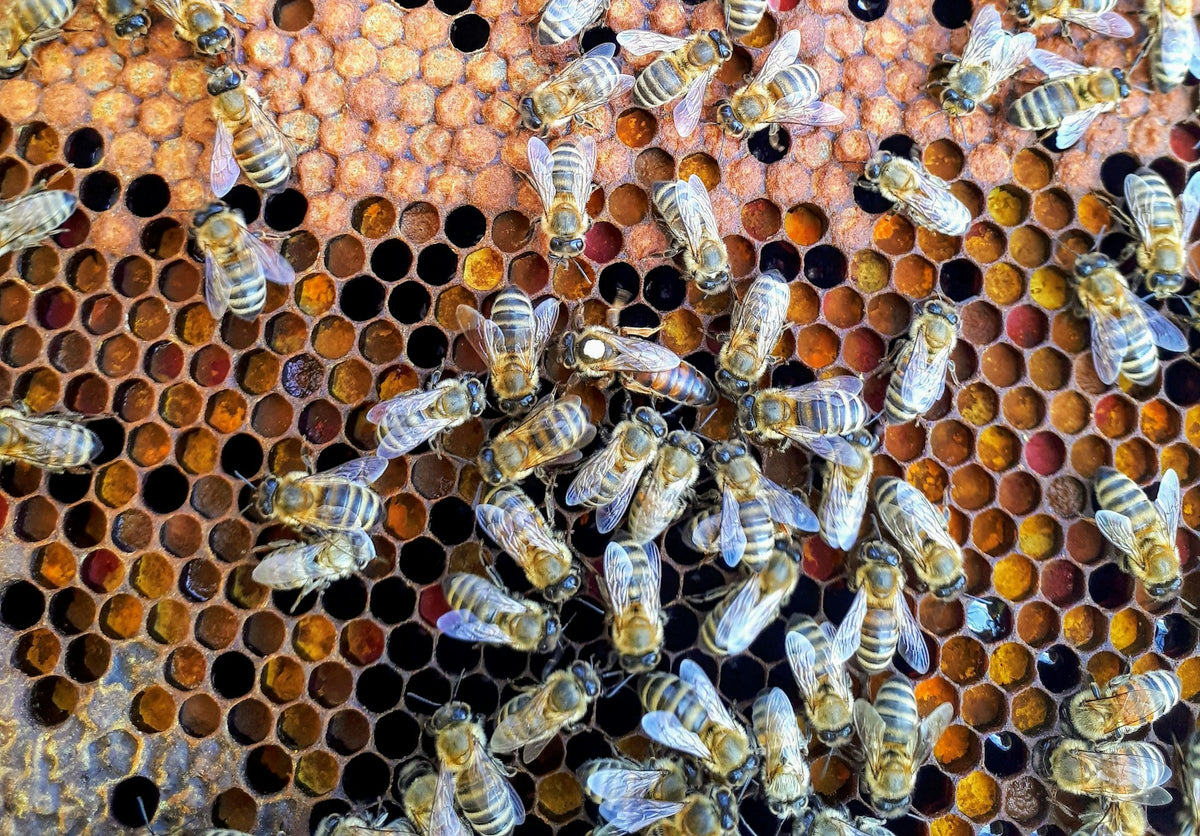
Bee Bread: Pollen the Bees Ferment Inside the Hive
What bees actually eat is not raw pollen but pollen they ferment and seal in wax. That is bee bread.
Read the article →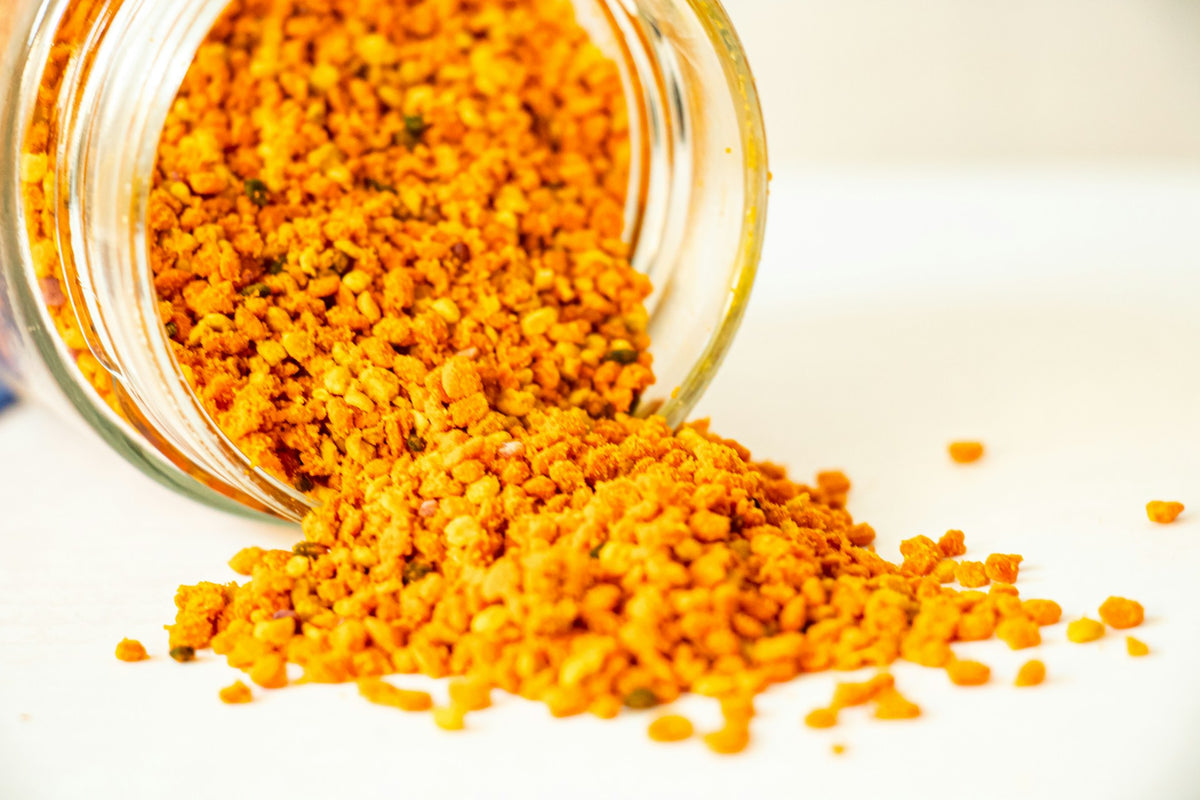
Bee Pollen: What It Is, How Bees Gather It and How to Eat It
Coloured granules that bees carry home on their legs. What published research says they contain, and how to eat and store them.
Read the article →
The Best Honey in Kuwait? A Guide to Choosing the Right One for You
"The best honey" depends on what you want from it. A quick guide by taste and use, and four questions to ask before any purchase.
Read the article →
Bees and Food: What the Pollination Numbers Actually Say
Pollination figures are quoted often and misread more often still. The difference between the number of crops and the volume of production is the crux of it.
Read the article →
Beeswax and the Hexagon: Why This Shape in Particular?
Wax is expensive by the colony's reckoning. The hexagonal shape of the cell is therefore no aesthetic accident but an economic solution.
Read the article →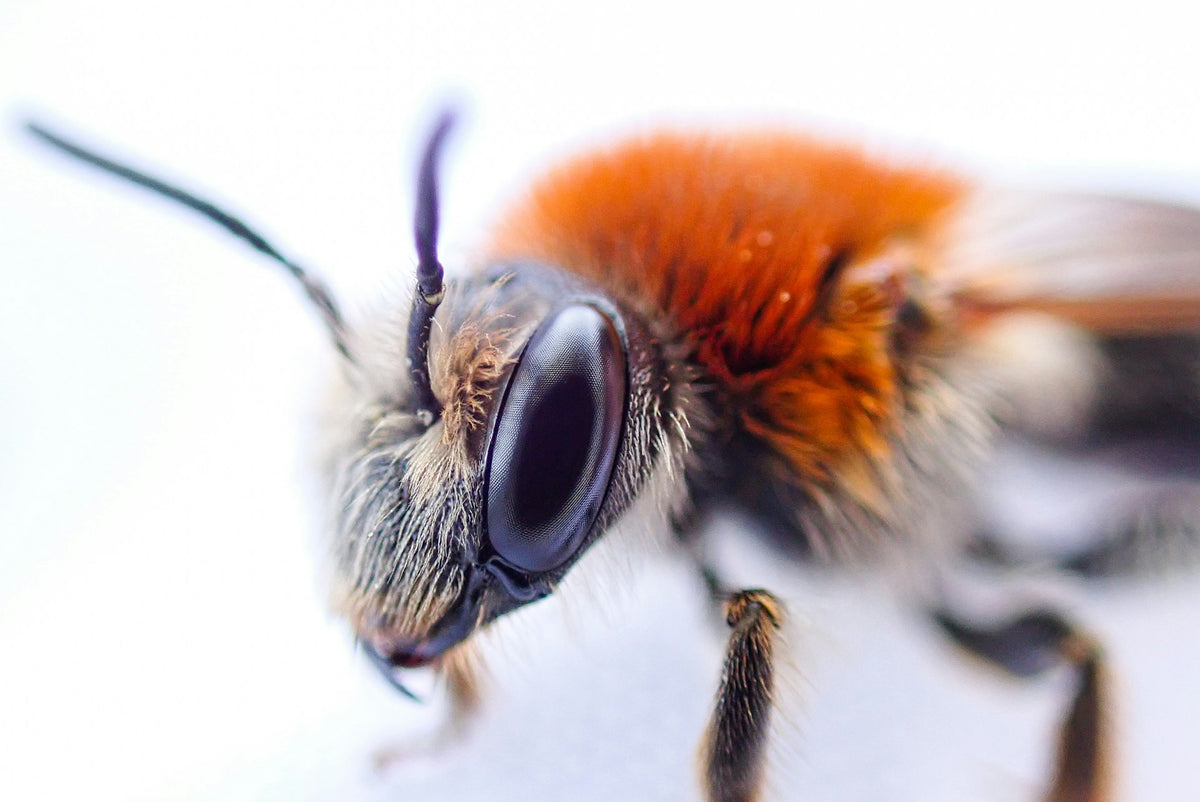
How Does a Bee See the World? Five Eyes and Light We Cannot See
If you saw a flower through a bee's eyes, patterns that do not exist in our vision would appear, and red would all but disappear.
Read the article →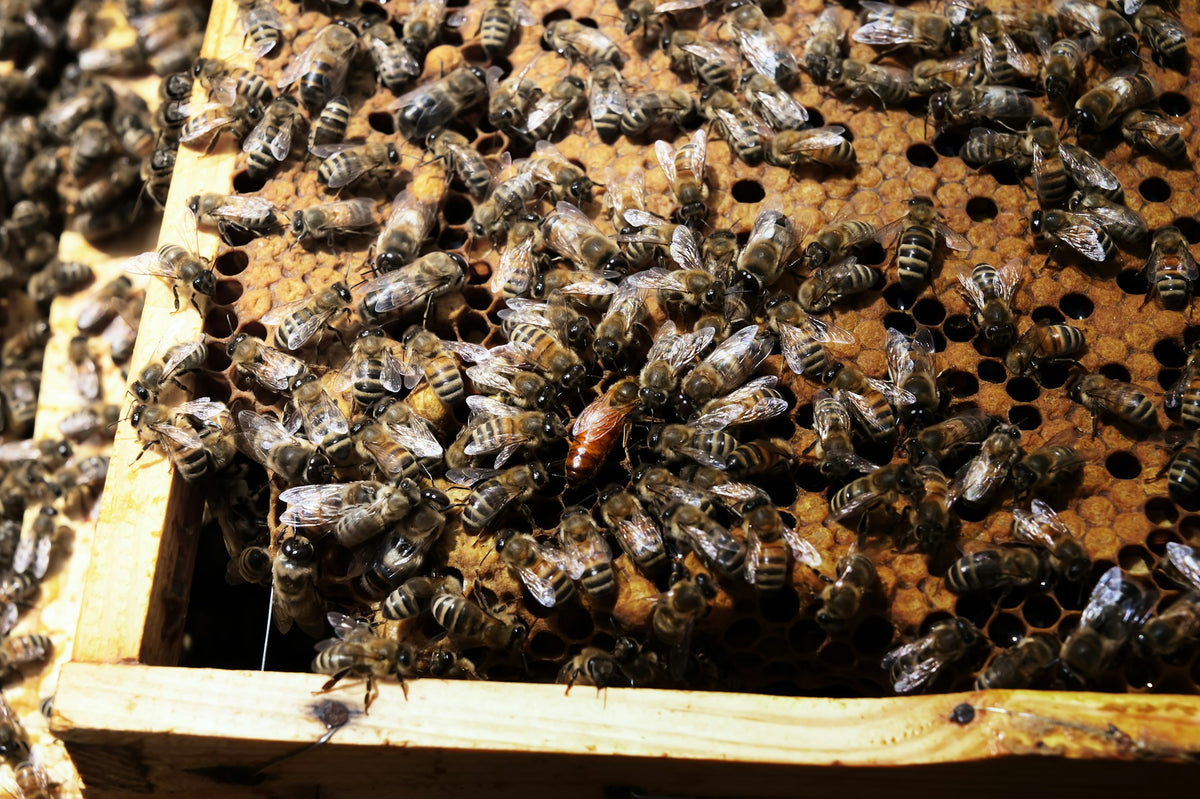
Queen, Worker and Drone: Who Does What Inside the Hive
Three castes in one hive, each with a different lifespan, a different task and a different fate.
Read the article →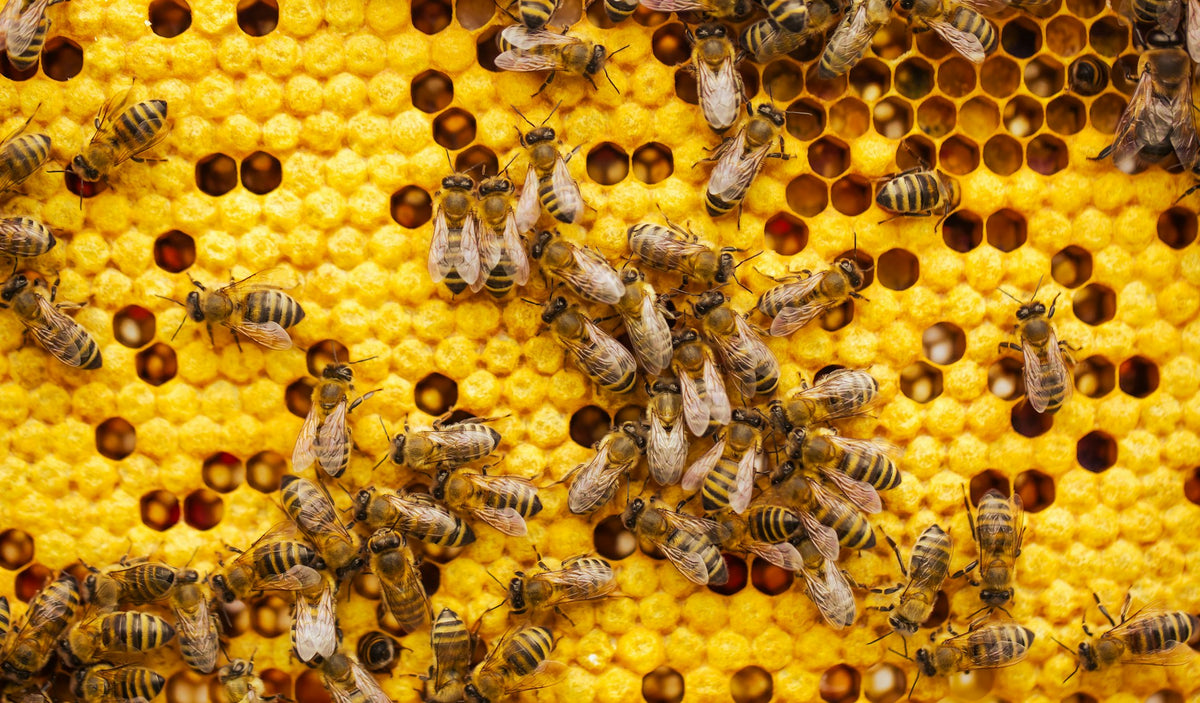
The Waggle Dance: A Map Drawn in Movement
A returning bee maps out the direction and distance of a nectar source for her hivemates, inside a dark comb. How?
Read the article →
Honey Crystallisation: Why It Happens and What It Really Means
Honey setting solid in the jar is neither spoilage nor evidence of adulteration. Here is what the published measurements say.
Read the article →
Why Doesn't Honey Spoil? The Chemistry Behind Its Long Life
Three factors together make honey a near-impossible environment for microbes. And one of the most famous stories about it has nothing to support it.
Read the article →
How Do Bees Make Honey? From Nectar to Hive
Nectar is a thin, sugary liquid; honey is a dense substance that resists spoilage for years. What happens between the two inside the hive?
Read the article →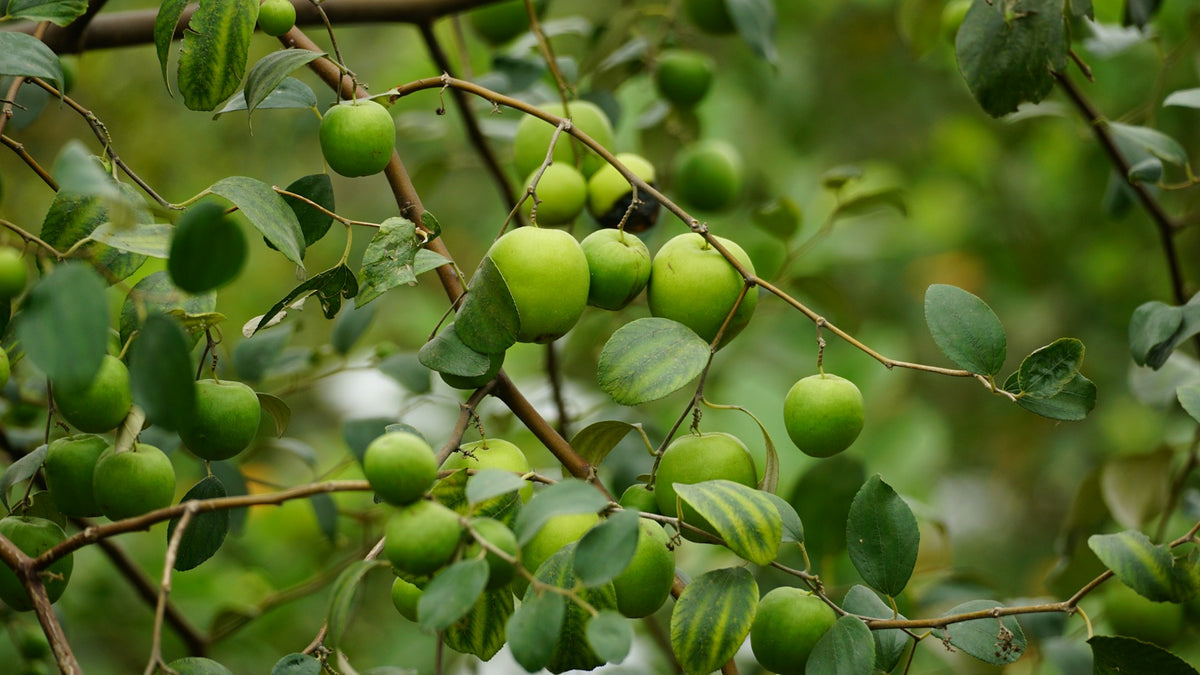
Sider Honey: What It Is Botanically, and What Monofloral Means
The name “sider” points to a particular tree. And “monofloral” has a numerical laboratory definition, not a marketing one.
Read the article →
What Is Inside Honey? Composition and the Codex Limits
There is an international standard that defines in numbers what may be called honey. These are its main clauses.
Read the article →